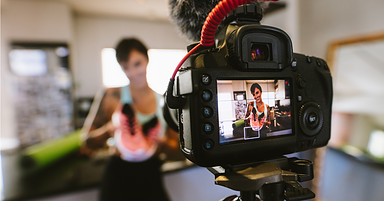
event production is a complex task requiring great attention to detail. From corporate events to weddings, celebrations to fundraisers, capturing the occasion accurately on film is essential for marketing and promotional purposes. Event filming provides the ultimate way to preserve every special moment, relive key speeches and performances and remember thought-provoking moments that bring attendees together.

Why Invest in Event Filming?
When investing in an event, it’s important to capture both the atmosphere and the key people involved. An event video allows you to share the excitement of the occasion with members of your audience who were unable to attend; it’s also the perfect way to promote future events, as well as helping build a positive reputation for your brand. A professional recording provides a platform for distributing your message and boosts social engagement.
Unique Packages
People rarely use just one source or type of media when filming an event, and many experienced professionals provide full solutions that involve the use of multiple channels. When filming an event, you might …
Continue reading